Skip to content
Build better, together

Construction cost management is one of those terms that gets used constantly in capital programs and defined clearly almost never.

Ask ten project managers what it means and you'll get ten slightly different answers. Some will describe it as budgeting. Some will say it's change order management. Some will point to their monthly cost reports. A few will gesture broadly at the spreadsheet they've been maintaining for the last three years.

All of them are partially right. None of them are describing the full picture.

This page is a plain-language explanation of what construction cost management actually involves, why it matters at the program level, and where most capital programs lose control of it without realizing it's happening.

What Is Construction
Cost Management?

Construction cost management is the ongoing process of planning, tracking, controlling, and reporting project costs from the earliest stages of a capital program through to final closeout.

It is not a single task or a single tool. It is a discipline that runs continuously through the life of every project in a portfolio, and it involves everyone from the program manager to the field superintendent to the contractor's project manager.

At its core, construction cost management
answers four questions at any point in a project:

What did we
plan to spend?


What have we committed to spend?

What have we actually spent?

What do we expect to spend by the time the project is complete?

When a program can answer all four of those questions quickly, accurately, and for every active project simultaneously, cost management is working. When it cannot, the program is operating on incomplete information, and the decisions being made on that information carry more risk than anyone realizes.

What Are the Core Components of Construction Cost Management?

Construction cost management is made up of several interconnected functions. Most capital programs are doing some of them well and some of them poorly, and the gap between the two is usually where budget problems develop.


Budget development and baseline setting 

The starting point for cost management is a well-structured budget that reflects the full scope of the project, organized by cost codes that allow tracking at the right level of detail. A budget that is too high-level cannot tell you where overruns are developing. A budget that is too granular becomes unmanageable. Getting the structure right at the beginning is one of the most important decisions a program manager makes.

Commitment tracking

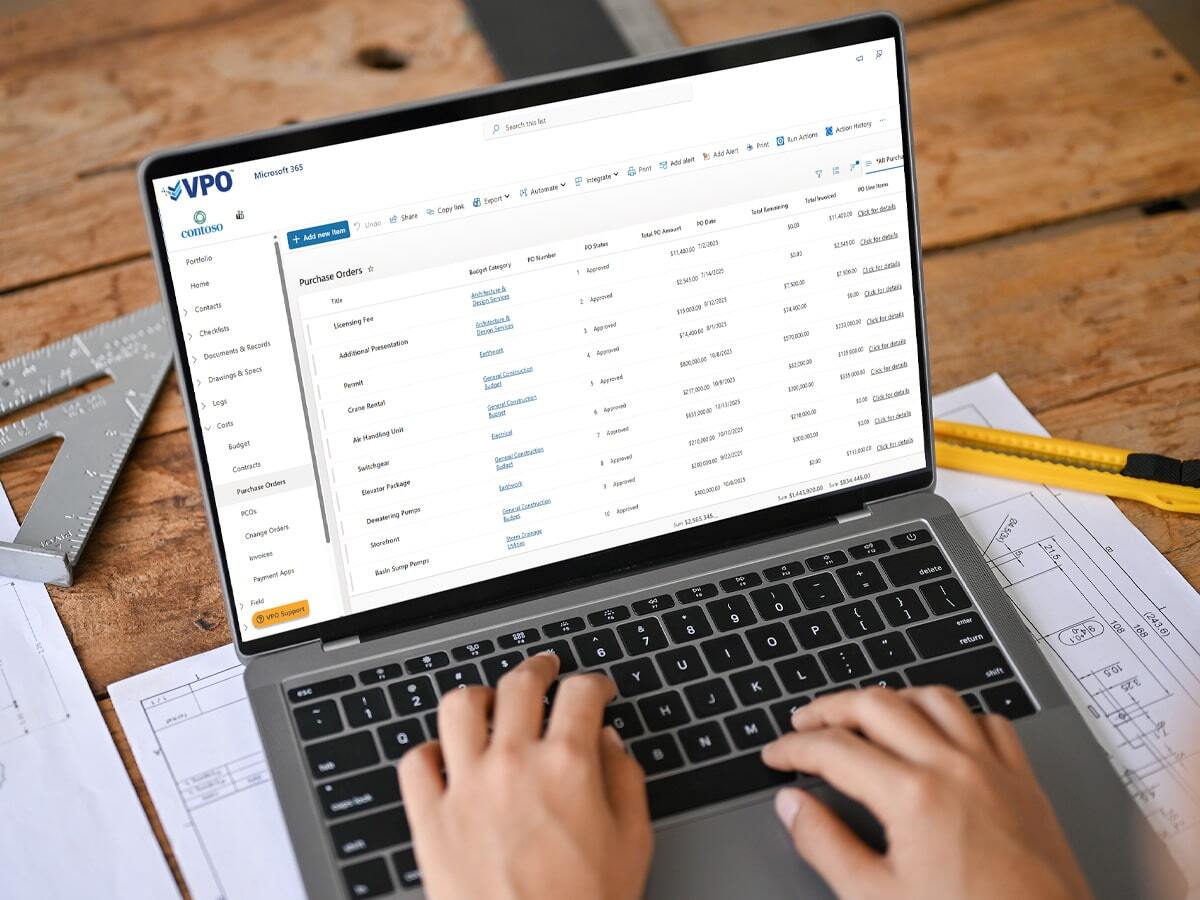
A commitment is any contractual obligation to spend money, including contracts, purchase orders, and subcontracts. Tracking commitments separately from actual expenditures is critical because committed costs represent future cash outflow that needs to be reflected in the budget even before an invoice is received. Many programs underestimate their exposure because their cost tracking only captures what has been paid, not what has been promised.

Change order management

Change orders are one of the primary mechanisms through which project costs increase beyond the original budget. Managing them well means identifying potential changes early, documenting them formally, assessing their cost impact before approving them, and reflecting approved changes in the budget immediately. Programs that manage change orders reactively, logging them after the fact rather than tracking them as they develop, are almost always operating with a budget that understates their actual exposure.

Further Reading: A Plain-Language Guide to Construction Change Orders
What change orders are, how they work, and what good change order management looks like across a capital program.

Cost forecasting and variance analysis

Cost forecasting is the practice of projecting the final cost of a project based on current spending patterns and known commitments. It answers the question: given where we are today, what do we expect this project to cost at completion? Variance analysis compares that forecast against the original budget and identifies where the gaps are developing and why. These two functions together turn cost tracking from a backward-looking accounting exercise into a forward-looking management tool.

Reporting and documentation

Cost management produces information that needs to reach the right people in a useful form. That means regular reporting to leadership and ownership, documentation of the decisions and approvals that drive cost changes, and audit trails that can be produced when required. Programs with clean, current, connected data can produce confident reports quickly. Programs without it spend days assembling reports that still leave room for doubt.

Why Do Construction Projects Go Over Budget?

Construction projects go over budget for many reasons, but the most consistent ones are not dramatic. They are structural. The same failure patterns appear across public and private sector capital programs of all sizes.


Tracking actuals without tracking commitments

This is the most common gap. A program that only tracks invoices paid is always looking at a budget that understates its true exposure. The costs that have not been invoiced yet but have already been committed, through contracts, purchase orders, verbal directions, and approved change orders, are just as real as the ones that have been paid. Ignoring them creates a false sense of financial health that evaporates at closeout.

Managing change orders after the fact

Change orders that are logged weeks after the work is done, or after the contractor has submitted a claim, have already escaped early management. By the time they appear in the budget, the program manager's options are limited to approving, disputing, or absorbing them. The opportunity to manage the cost before it was committed is gone.

Keeping financial tracking separate from project communication

When the budget lives in a spreadsheet and the decisions that affect it live in email threads, the two will always be out of sync. Cost events happen in the field, in meetings, in phone calls. If those events have to travel through a manual process before they reach the budget, the budget is always running behind reality.

Further Reading: Construction Risk Management for Capital Programs
How to identify, track, and respond to cost risk before it becomes a budget problem across a capital program.

Relying on month-end reporting cycles

A monthly cost report is better than nothing, but it is a slow feedback loop for a fast-moving program. By the time a cost problem appears in a monthly report, it has usually been developing for weeks. Programs that only look at the numbers once a month are consistently solving problems that could have been caught and managed earlier.

No portfolio-level view

Without a way to see the financial health of every active project in one place, the program manager is always working from a partial picture. Risks that are developing on one project stay invisible until they become problems, and resources cannot be allocated to the places that need attention most.

What Does Good Construction Cost Management Look Like?

A well-managed capital program can answer the following questions at any point, quickly and with confidence:

  • What is the current approved budget for each active project?

  • What costs have been committed but not yet invoiced?

  • What change orders are pending, and what is their projected cost impact?

  • What is the current forecast cost at completion for each project?

  • How much contingency remains, and how is it being consumed?

  • What is the total projected cost of the portfolio against the capital plan?

If answering any of those questions requires more than a few minutes of work, the cost management system has a gap worth closing.

VPO-inset-app-dashboard

How Does Construction Cost Management Work
at the Portfolio Level?

VPO-inset-app-workflows-min

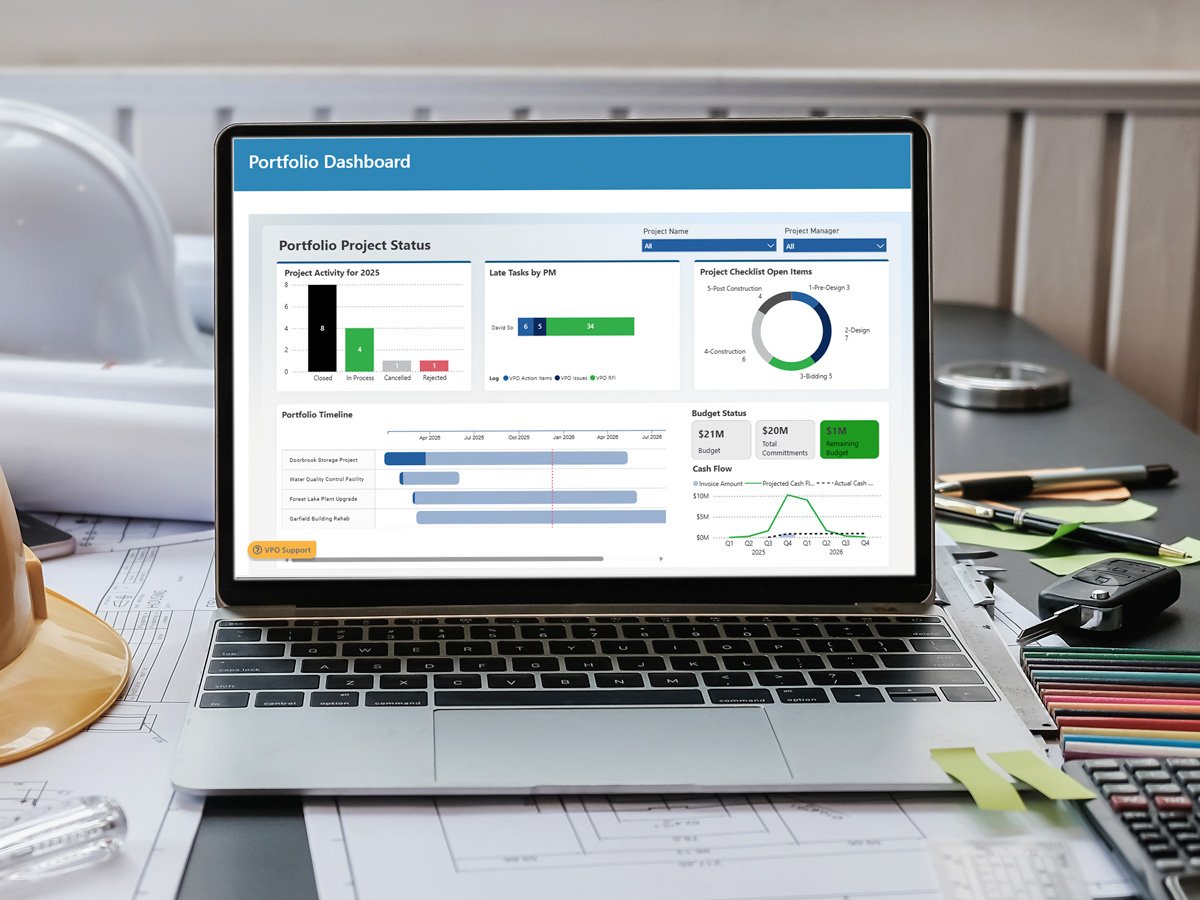
Everything described above applies to individual projects. At the portfolio level, construction cost management requires one additional capability: the ability to see across all active projects simultaneously and understand the financial health of the program as a whole.

This means knowing, at any given moment, which projects are trending over budget, where contingency is being consumed fastest, which change orders are pending approval across the portfolio, and what the projected final cost of the entire program looks like against the original capital plan.

Without that portfolio view, the program manager is managing a collection of individual projects rather than a coherent program. The risks that are developing get identified one at a time, usually after they have already affected the budget, rather than as patterns that could be addressed proactively.

For public sector capital programs in particular, portfolio-level cost visibility is increasingly expected not just by internal leadership but by elected officials, grant administrators, and the public. The ability to report clearly and confidently on where capital funds are being spent is a core accountability function of the program manager role.


What Is Construction Cost Management Software?

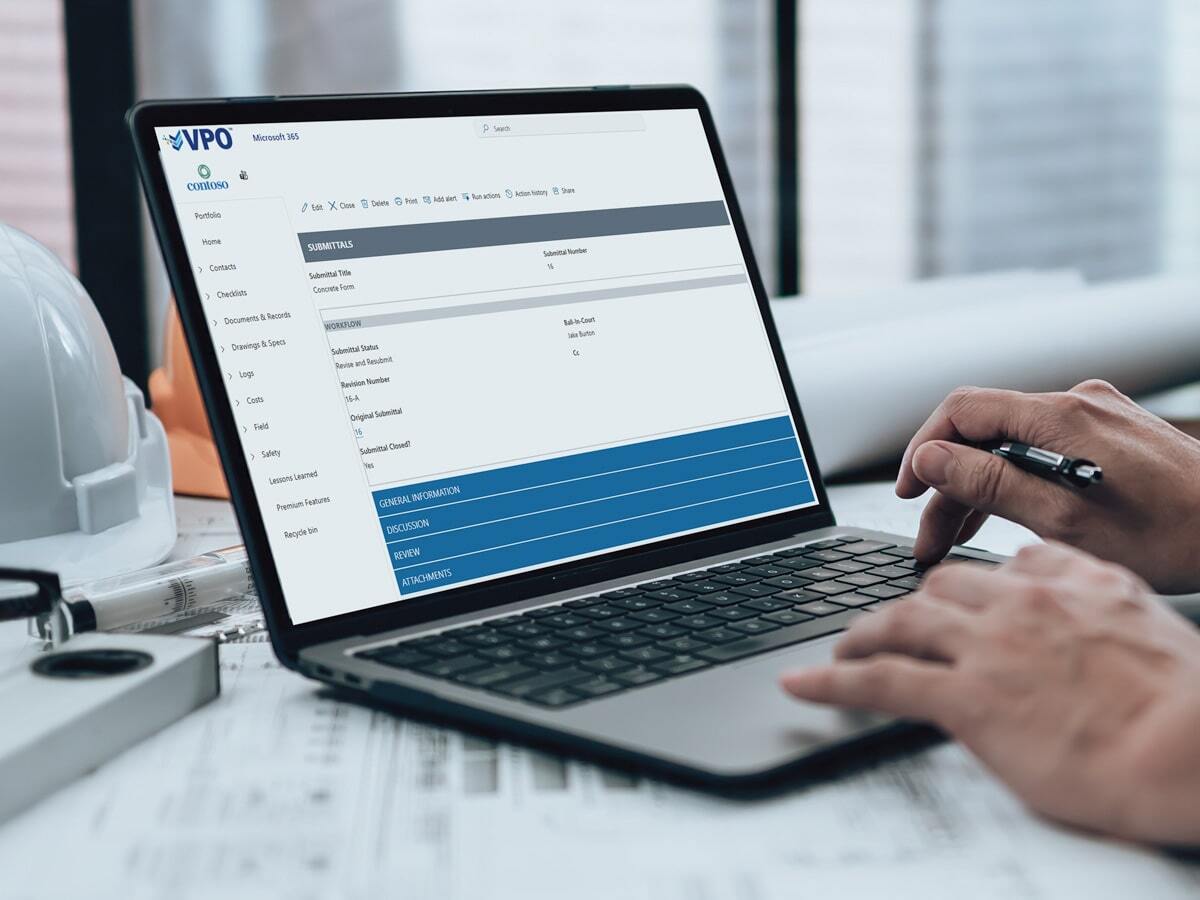
Construction cost management software connects the functions described above into a single system. Budget, commitments, change orders, forecasting, and reporting all draw from the same underlying data. When a change order is logged, the budget updates. When a purchase order is issued, the commitment is captured. When leadership asks for a portfolio summary, the data is already assembled.

For small programs managing one or two projects, spreadsheet-based cost tracking can work. For programs managing five or more simultaneous projects, the limitations of manual systems become a significant operational liability. Construction cost management software addresses those limitations by replacing disconnected manual processes with a connected, continuously updated system.

The most important thing to understand about construction cost management software is that the tool is only as good as the information that goes into it. The goal is a system that fits how the team already works, so that capturing cost information is the natural result of normal project activity rather than an additional administrative burden.

VPO-inset-app-purchase-order-min

Further Reading: Construction Project Management Software: How to Evaluate Your Options
A practical guide to evaluating construction project management software for capital programs, including what to look for, what to avoid, and the questions worth asking before you commit.

Frequently Asked Questions

What is the difference between construction cost management and construction budgeting?

Budgeting is the first step in cost management. It involves establishing the planned cost of a project before work begins. Cost management is the broader discipline that continues through the life of the project, tracking how actual and committed costs compare to the budget, forecasting the final cost, and managing the changes that cause costs to shift. Budgeting sets the baseline. Cost management maintains it.

What is a cost code in construction?

A cost code is a numerical or alphanumeric identifier assigned to a specific category of work or expenditure on a construction project. Cost codes allow project costs to be tracked at a granular level, so the program manager can see not just the total budget variance but where that variance is developing. Common cost code structures align with the Construction Specifications Institute MasterFormat or are developed internally by the program.

What is variance analysis in construction cost management?

Variance analysis is the comparison of planned costs against actual and committed costs to identify where the budget is deviating from the original plan. A positive variance means the project is running under budget on a given line item. A negative variance means it is running over. Variance analysis is most useful when it is performed continuously and connected to forecasting, so the program manager can see not just where variances exist today but where they are trending.

What is a construction cost forecast?

A cost forecast is a projection of what a project will cost at completion, based on current spending patterns, known commitments, and anticipated future costs. It differs from the original budget in that it is updated continuously as the project progresses and new information becomes available. A well-maintained cost forecast is one of the most important tools a program manager has for identifying budget problems while there is still time to manage them.

How often should construction costs be tracked and updated?

In an active capital program, cost data should be updated as close to real time as possible. At minimum, budgets should reflect all approved change orders, logged commitments, and processed invoices on a weekly basis. Monthly updates are insufficient for fast-moving programs because by the time a cost problem appears in a monthly report, the window for early intervention has usually already closed.

What is the biggest mistake capital programs make with cost management?

The most consistent mistake is tracking what has been paid without tracking what has been committed. A budget that only reflects invoiced costs will always understate the program's true financial exposure. The second most common mistake is keeping financial tracking separate from project communication, so that the decisions that drive cost changes are never captured in a way that connects them to the budget.

How does construction cost management differ for public sector programs?

Public sector capital programs face additional cost management requirements that private sector programs do not. These include compliance with public procurement regulations, reporting to elected officials and oversight bodies, documentation requirements for grant-funded projects, and public transparency expectations. These requirements make clean, auditable cost records more important in the public sector, and they raise the stakes of the documentation and reporting functions significantly.

What is the relationship between construction cost management and project risk management?

Cost management and risk management are closely connected. Most construction risks, whether from unforeseen site conditions, scope changes, contractor performance issues, or external factors like material price increases, ultimately manifest as cost impacts. A program with strong cost management practices will identify those impacts earlier, quantify them more accurately, and have more options for responding to them than a program whose cost tracking lags behind the reality on the ground.

How VPO Supports Construction Cost Management

VPO is project portfolio management software built for public and private sector capital programs. It connects financial tracking, project communication, and documentation in one place, so the information that drives cost management is current, connected, and retrievable without a manual assembly process.

That means change orders tracked against the budget as they develop. Commitments captured when they are made. Portfolio reporting that exists continuously rather than being built from scratch each month. And documentation that supports confident reporting to leadership, ownership, and auditors.